1. Confirm the property is released
If police were involved, cleanup starts after they release the space. The owner or family can check with the agency.
Quincy, MA · Norfolk County
Cleaning up after a loved one's drug use is hard enough. In Quincy, call (877) 812-4220 and let a cleanup team remove paraphernalia, clean up residue and take away what cannot be saved.
If anyone is in danger, call 911 first. For a suicide crisis, call or text 988.
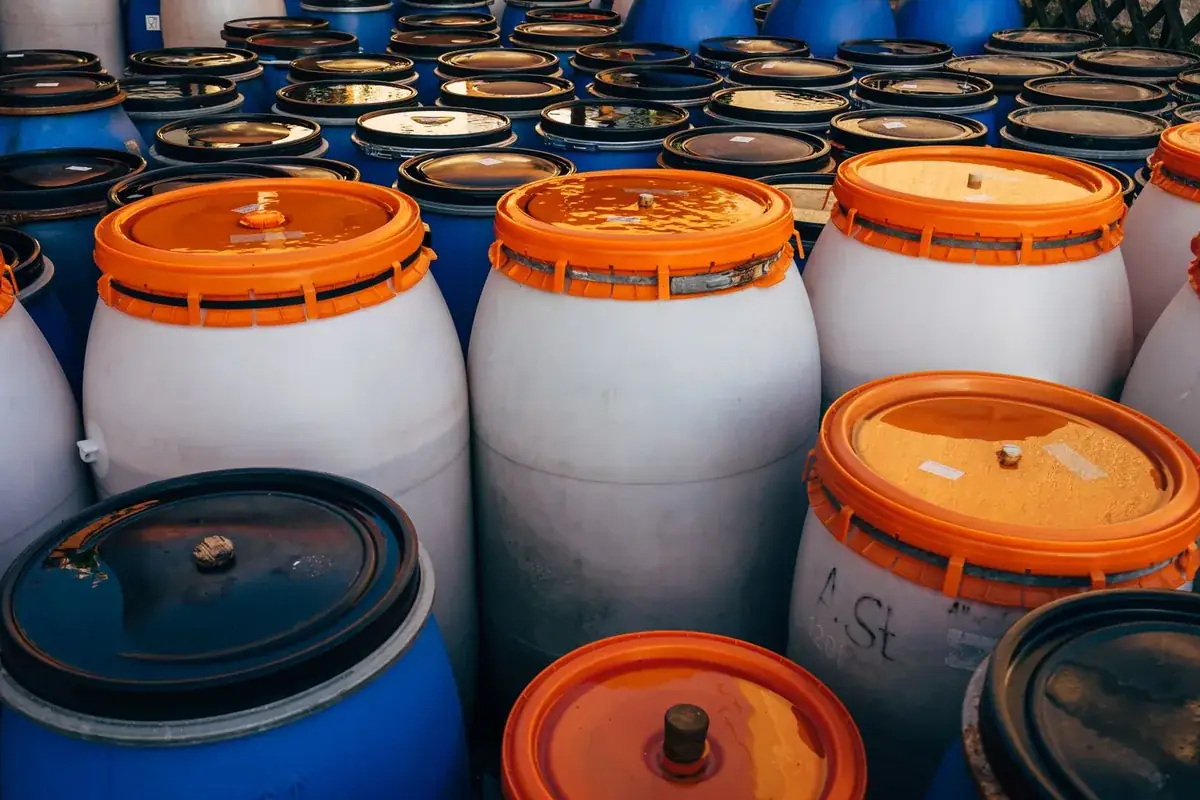
Paraphernalia removal is the first half of a drug use cleanup. Sharps go into puncture-resistant containers, other items are bagged and sealed, and everything is taken away as regulated waste.
After a tenant leaves, you may find needles, residue or stained rooms in your Quincy property. Call Quincy Biohazard Cleanup Help for a team that collects sharps safely, removes soiled materials and cleans the unit, anywhere in Norfolk County.
Renters make up about 55% of households in Quincy, so landlords often need paraphernalia cleared between tenants. If anyone is unresponsive or hurt, call 911. The nearest emergency room to Quincy is Carney Hospital in Boston, about 4 miles away.
A typical drug paraphernalia cleanup job includes:
If police were involved, cleanup starts after they release the space. The owner or family can check with the agency.
The team looks over the rooms and decides which items, surfaces and materials need attention.
Remaining paraphernalia is removed, and surfaces with residue are cleaned or taken out.
The team removes the waste and shares what was done so the owner can keep it on file.
The cost of drug paraphernalia cleanup in Quincy, MA depends on the amount of material, how it is packed and how it is hauled.
The number of rooms affected is a major factor. One bedroom needs less time than a whole house or a large rental unit.
| Type of job | Typical range |
|---|
Estimates only, not a quote. Sources: . Price drivers include amount of material, whether residue is present, surfaces affected, waste disposal. Call (877) 812-4220 to talk through the job.
A careful cleanup removes the items and cleans the surfaces it covers. Testing is a separate step, and rules vary by place. Ask the team what it did and did not check, and ask the local health department what applies where you live.
It can. Once soiled items are removed, a team can treat lingering odor in the air and on surfaces. Ask what methods the team uses and whether odor treatment is part of the plan or a separate step.
It is safer not to. You often cannot tell what an item or residue is, and hidden sharps are a risk. Do not mix cleaning products. A cleanup team has the protective gear and containers to do it safely, without judgment.
The owner of the property usually pays at first. Lease terms and local law decide who is responsible in the end. A landlord, an attorney or a tenant rights group can say. Keep any record the cleanup team gives you, since a landlord or insurer may ask for it.
Yes. A property owner can call a cleanup team to clear and clean a unit after a tenant leaves. Lease terms and local law decide who pays. Keep photos and records, and ask the team what documentation it can provide.
Some residues can harm people who touch them, and you cannot tell by looking which ones. That is why gloves are not a substitute for professional cleanup. If skin touches something unknown, wash with soap and water and call Poison Control.
One call can start the cleanup of a room, a rental unit or a whole home.
Call (877) 812-4220